
IPL NewsHot News
Vaibhav's Two-Wicket Over Gives Rajasthan Royals a New Question
Players · Rajasthan Royals
The headline act lasted four balls, but the useful IPL question is longer-term: can Rajasthan Royals develop a second skill without blurring Vaibhav's primary role?
Story date
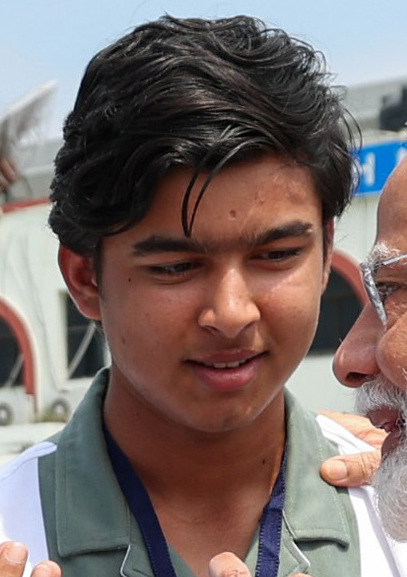
NEWS / Vaibhav's Two-Wicket Over Gives Rajasthan Royals a New Question
Vaibhav Sooryavanshi produced the first two-wicket innings of his senior career on 25 August, returning 2/11 from three overs for East Zone against North East Zone in Bengaluru. The left-arm spinner removed Kishan Lyngdoh and Imliwati Lemtur in the same over, with only three intervening deliveries between the dismissals. Rajasthan Royals' official report, India Today and Mint agree on the figures and the sequence. East Zone completed an innings-and-210-run victory and advanced to the Duleep Trophy semi-finals.
The wickets came after North East Zone had been forced to bat again, having conceded a first-innings deficit of 356. Lyngdoh tried to attack a fuller ball and was caught by substitute Denish Das; Lemtur then edged a quicker delivery to wicketkeeper Ishan Kishan. Sooryavanshi had earlier made eight from six balls in East Zone's only innings. The contrast is part of the verified record: his headline contribution in this match came from a skill that normally sits behind his batting, not from another explosive score.
A Batter Adds a New Skill
Sooryavanshi entered the competition as East Zone's vice-captain and as one of the most watched young batters in Indian cricket. Rajasthan Royals already know the primary asset. He opens, attacks early and can alter a T20 innings before opponents settle into their preferred matchups. The Duleep Trophy offered a different environment: a red ball, longer spells, a match shaped by a huge lead and time for a captain to test options that would be harder to explore in a tight IPL contest.
That environment matters when interpreting 2/11. This was his ninth first-class appearance and the first time he had taken two wickets in an innings at this level. It therefore adds a real data point, but only one. The match position reduced risk because North East Zone were already seven wickets down when the second dismissal fell. Nothing in the published evidence shows that Rajasthan have assigned him a bowling role, changed his status to all-rounder or designed an IPL plan around these three overs.
Evidence of Spin, Not a New Role
For Rajasthan Royals, the sensible response is curiosity without promotion by headline. A part-time bowler does not need to become a four-over option to help an IPL side. One controlled over against a favourable matchup, or the possibility of changing pace when a partnership is comfortable, can create tactical value. Yet that value depends on repeatable length, calm after being attacked and a captain's willingness to use the option while the game is still alive. The Duleep spell showed two successful variations; it did not test all three conditions.
The Impact Player rule also changes the calculation. Modern IPL teams can add a specialist bowler without demanding overs from every batter, so a secondary skill earns a place only if it improves flexibility more than the alternative specialist does. Sooryavanshi's batting development remains the higher-value project. Loading him with an all-rounder label after four productive balls could distract from powerplay decision-making, movement against the new ball and the physical workload already carried by a 15-year-old playing across formats.
There is still a useful development path. Rajasthan can ask him to keep bowling in domestic cricket, record where he lands the ball rather than merely counting wickets, and examine how right- and left-handed batters respond. That creates evidence without forcing an IPL promise. If the control survives against stronger batting and in neutral match situations, RR gain an optional matchup tool. If it does not, the experiment has still cost little and does not diminish what he offers at the top of the order.
The Semi-final Is the Better Test
East Zone are due to meet defending champions Central Zone in the semi-final beginning 30 August. The next signal is not whether Sooryavanshi takes another wicket immediately; it is whether Ishan Kishan gives him the ball before the result is settled and whether he can maintain a defendable length when batters are not simply trying to escape a lost game. For IPL purposes, follow the role as much as the scorecard. Repeated overs under genuine pressure would tell Rajasthan more than a viral clip or a new label ever could.