
IPL NewsHot News
Rishabh Pant Returns to Delhi — and Changes Two IPL Teams
Players · Delhi Capitals
Pant's return is the emotional headline, but Delhi have surrendered a proven wicket-taker and Lucknow have rebuilt their spin core in the same transaction.
Story date
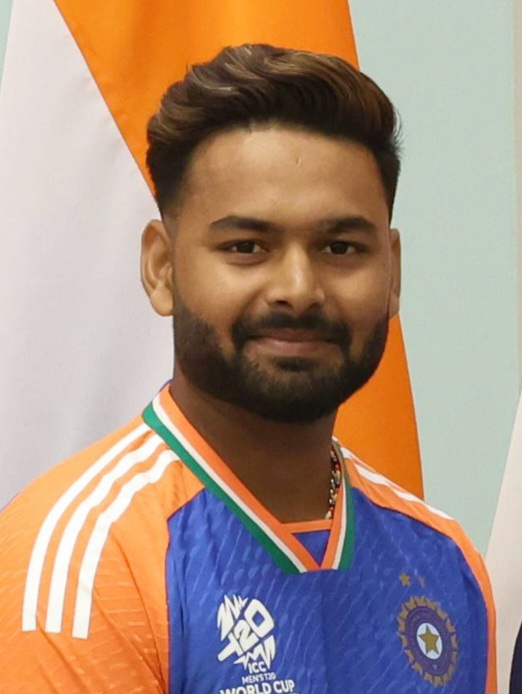
NEWS / Rishabh Pant Returns to Delhi — and Changes Two IPL Teams
Delhi Capitals and Lucknow Super Giants announced on 23 June that they had completed a trade sending Rishabh Pant back to Delhi and Kuldeep Yadav to Lucknow. Both clubs described the movement as complete rather than proposed. Delhi called Pant's return a homecoming and confirmed that the wicketkeeper-batter had previously played 111 matches for the franchise, scoring 3,284 runs. Lucknow confirmed Kuldeep's arrival and thanked Pant for his two seasons with the Super Giants.
The transaction exchanges two established Indian roles rather than a star for an untested squad place. Delhi's announcement credits Kuldeep with 72 wickets in 65 matches for the Capitals from IPL 2022 onward. Lucknow lists Pant's LSG return as 581 runs from 28 matches, including an unbeaten hundred against Royal Challengers Bengaluru, and gives Kuldeep's career tally as 112 wickets in 110 IPL games. An Indian Express report independently recorded the completed movement on the same date.
What Delhi Gained and Gave Away
Pant's name carries special weight in Delhi because his first spell covered the rise from young power-hitter to captain and franchise record run-scorer. He left before the IPL 2025 auction and spent the next two campaigns with Lucknow. A return therefore repairs an emotional break for supporters, but the roster cannot be evaluated through memory alone. Delhi are receiving the current version of Pant and must decide how his wicketkeeping, batting position and leadership experience fit the group they have now.
Kuldeep's departure is the counterweight that prevents this from being a simple reunion story. Wrist-spin is difficult to replace because its value is not only economy; it is the ability to attack set batters through the middle of an innings. Delhi's own numbers show a substantial four-season contribution. Lucknow, meanwhile, explicitly placed Kuldeep beside Manimaran Siddharth and Digvesh Rathi in its spin department. That description indicates a group of options rather than a one-for-one attempt to reproduce Pant's role.
Two Rosters, Opposite Needs
Delhi gain a left-handed wicketkeeper-batter who can alter the tempo of an innings and who already understands the franchise environment. They also create a concentration of senior batting and keeping options because KL Rahul remains in the squad shown on the club's official site. That can be a strength if roles are explicit: one player can keep, another can shift position, and the batting order can respond to matchups. It can become friction if reputation decides the order before the team identifies who best serves each phase.
The cost is clearer in bowling. Removing Kuldeep means Delhi must replace overs that carried wicket-taking intent, not merely fill four overs on a scorecard. Axar Patel offers a different left-arm spin profile, while other bowlers can cover volume without reproducing Kuldeep's angles and deception. The trade can still improve Delhi overall, but only if Pant's added batting and keeping value exceeds the specialist spin value lost or if the next recruitment window supplies a credible attacking replacement.
Lucknow make the inverse bet. Pant was the most recognisable face in their lineup, yet Kuldeep gives them a defined tool in the middle overs and may allow the club to build a more varied slow-bowling plan. The gain is not automatic: several spinners in one squad do not guarantee complementary matchups, and selection still depends on pitch, overseas combination and batting depth. The useful shift is structural. LSG can now design around a proven IPL wrist-spinner rather than asking a collection of similar options to create wickets in the same way.
RS9 IPL is not using reported remuneration figures to decide a winner. Public coverage around the transaction contains different numbers and descriptions, while the two team statements agree on the part that matters first: the players changed franchises. A clean tactical assessment should start there. Delhi chose identity and batting force while accepting a bowling hole; Lucknow chose a specialist wicket-taking profile while releasing a batter around whom much of their public story had recently been built.
Roles Will Decide Who Won
The next reliable signals are official role decisions. Watch whether Delhi name Pant to a leadership position, who keeps wicket, and where he bats relative to the team's other senior players. For Lucknow, watch how the club groups Kuldeep with Siddharth and Digvesh and whether its auction work adds batting power to compensate for Pant's exit. Until those choices are announced, claims about the final XI or a clear trade winner remain forecasts. The completed deal is significant; its tactical verdict belongs to the next squad and the matches that follow.